
B2B digital marketing is fundamentally different from B2C because the buying process is longer, more rational, and involves multiple decision-makers. Companies do not buy on impulse; they evaluate, compare, and validate before making a decision. This makes lead generation a strategic process rather than a simple conversion goal. In 2026, successful B2B marketing is built on trust, expertise, and consistent value delivery across digital channels.
Understanding the B2B Buyer Journey
The B2B buyer journey is complex and multi-layered. It typically includes awareness, consideration, and decision stages, each requiring different types of content and engagement.
At the awareness stage, potential clients identify a problem or need. During consideration, they explore solutions and compare providers. Finally, in the decision stage, they evaluate pricing, credibility, and long-term value before selecting a partner.
Understanding this journey helps businesses align their marketing efforts with buyer intent at every step.
Discover more through the link Email Marketing: Boost Your Business with the Right Tools & Strategies
Core B2B Lead Generation Channels
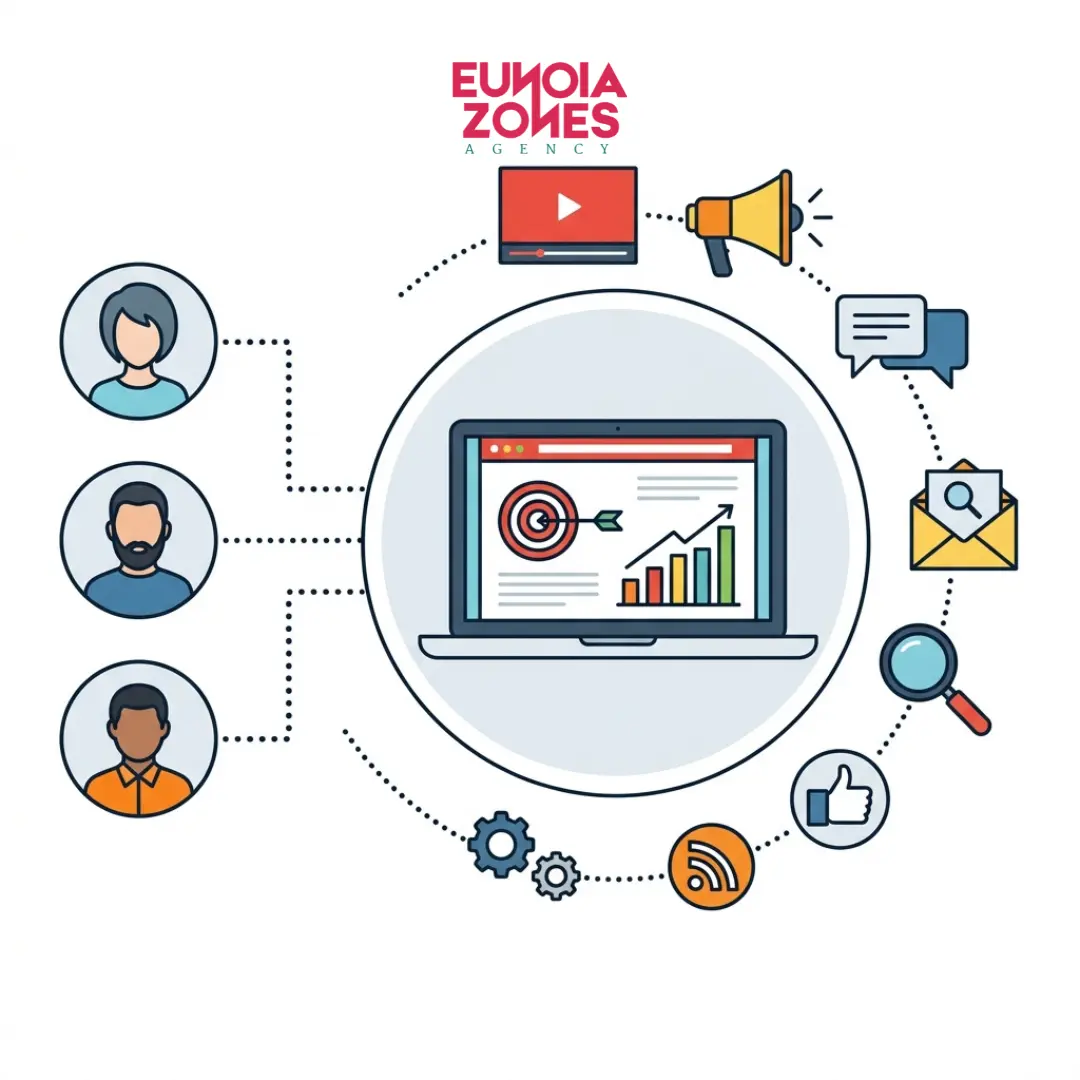
Effective B2B lead generation relies on multiple interconnected channels rather than a single platform. Each channel plays a specific role in attracting and nurturing prospects.
Key channels include:
- LinkedIn marketing for targeting decision-makers and industry professionals
- Search engine optimization (SEO) to capture high-intent organic traffic
- Email marketing to nurture leads and maintain long-term engagement
These channels work best when integrated into a unified strategy rather than used in isolation.
Content Marketing as a Lead Engine
Content is the backbone of B2B digital marketing. It builds authority, educates prospects, and guides them through the sales funnel.
Strong B2B content strategies include:
- Whitepapers and reports that provide in-depth industry insights
- Case studies that demonstrate real-world success and measurable results
- Educational blog posts that answer complex questions and build trust
High-value content positions a company as an expert, making it easier to convert leads into clients.
Discover more through the link The Secret Sauce for Marketing Success? The Power of Combined Social Media Management
Account-Based Marketing (ABM) Approach
Account-Based Marketing is one of the most powerful strategies in B2B environments. Instead of targeting broad audiences, ABM focuses on specific high-value companies.
This approach allows businesses to:
- Personalize messaging for key decision-makers within target accounts
- Align sales and marketing teams for more efficient lead conversion
- Increase ROI by focusing resources on the most valuable prospects
ABM is especially effective in industries with long sales cycles and high contract values.
Lead Nurturing and Automation
Generating leads is only the first step; nurturing them is what drives conversion. Many B2B leads require time and multiple touchpoints before making a decision.
Effective nurturing strategies include:
- Automated email sequences tailored to buyer stage and behavior
- Retargeting campaigns that keep the brand visible across platforms
- Personalized follow-ups from sales teams based on engagement data
Marketing automation tools help streamline this process and ensure no lead is lost.
Data-Driven Optimization B2B marketing
B2B marketing success depends heavily on continuous measurement and optimization. Without data, it is impossible to understand what drives conversions.
Key performance indicators include:
- Cost per lead (CPL) and customer acquisition cost (CAC)
- Lead quality and conversion rates at each funnel stage
- Engagement metrics across content and campaigns
By analyzing these metrics, companies can refine targeting, improve messaging, and maximize ROI.
Turning Strategy into Scalable Growth
In conclusion, mastering B2B digital marketing requires a structured approach that combines buyer journey understanding, multi-channel execution, high-value content, and data-driven optimization. When these elements are aligned, businesses can build a powerful lead generation system that not only attracts prospects but also converts them into long-term clients. In today’s competitive environment, this strategic integration is the key to sustainable B2B growth.
Explore advanced digital marketing tactics: The Power of Digital Marketing A Comprehensive Guide